

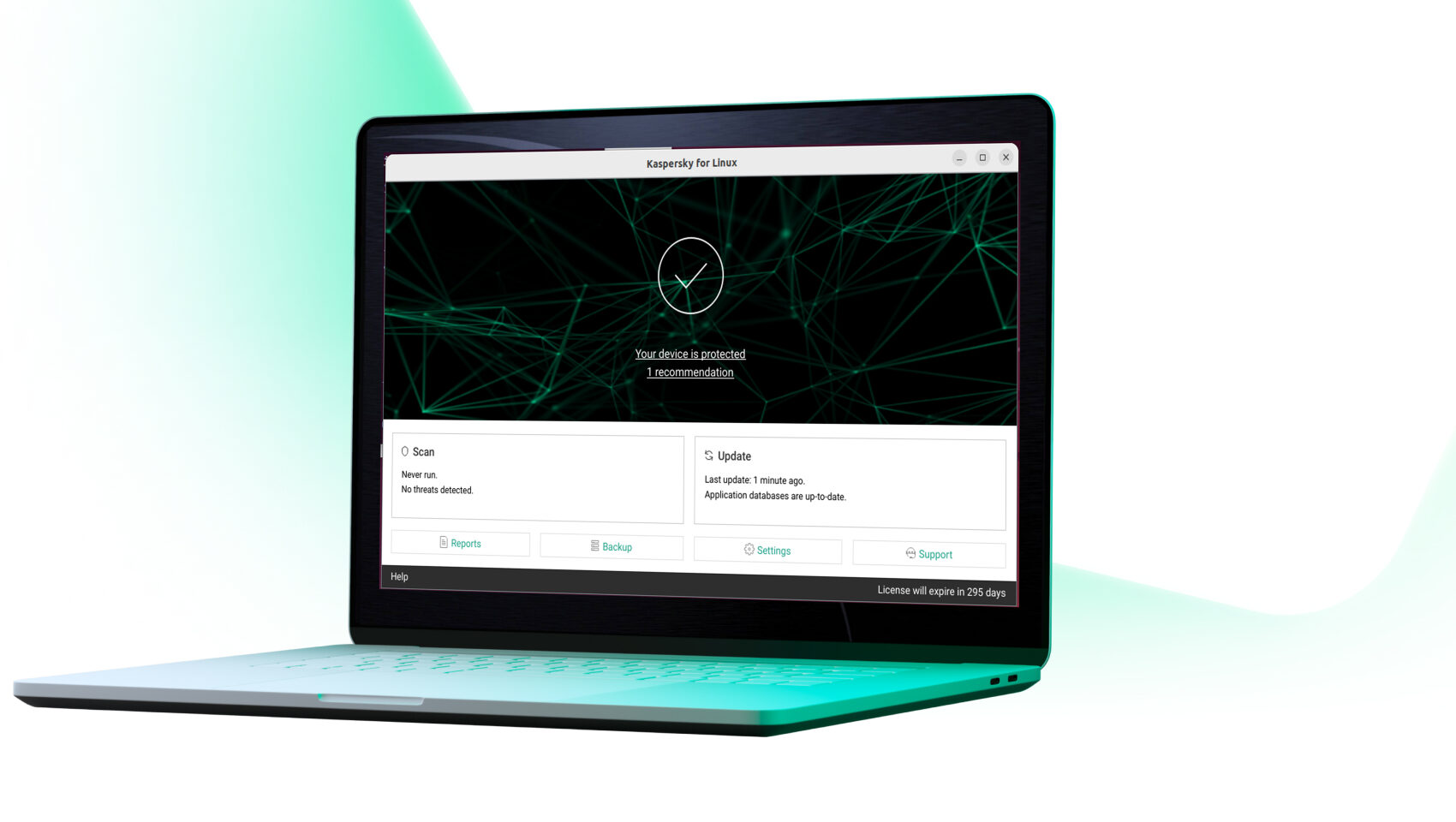
Linux users in South Africa can now take advantage of leading cybersecurity protection from Kaspersky. The new Kaspersky for Linux solution for individuals helps to safeguard personal and payment data and defends users’ devices against various cyber threats, including malware, phishing, and scams.
The number of malware samples for Linux operating system, including exploits, is constantly growing, increasing the need to protect Linux-based devices. Threats like phishing attacks and malicious browser extensions on Linux are just as sophisticated and prevalent as those targeting Windows and macOS. The risks of intercepted passwords, banking details, and crypto wallets are ever-present, underscoring the need for advanced cybersecurity protection for modern users regardless of their operating system.
Kaspersky for Linux provides comprehensive protection based on the leading Kaspersky technologies that successfully protect both individuals and organisations around the world. Among the solution’s key features are:
- Monitoring of the system, devices, and files to detect and remove malware.
- Scanning for threats on removable media, such as USB and hard drives, when they are connected to a computer.
- Proactive malware detection achieved via continuous monitoring of device performance.
- Real-time security checks on visited websites and downloaded files to identify and block malicious code.
- Notifications about attempts to click on phishing links.
- Support of key Linux distributions such as Ubuntu, ALT Linux, Uncom and RedOS.
Over the years, Kaspersky consumer solutions have been highly regarded by international independent testing organisations. Kaspersky’s portfolio, being honoured with the Product of the Year award by AV-Comparatives in 2023, continued to demonstrate high results and received the Top-Rated Product award of 2024. These exceptional results reaffirm Kaspersky’s dedication to providing top-tier cybersecurity across all platforms.
“There is a belief that there are practically no cyber threats for Linux, but that’s simply not true. Our expertise and many years of experience in ensuring the security of devices running on this operating system in a corporate environment have formed the basis for a new solution for private users — Kaspersky for Linux. Its appearance is a logical extension of the development of Kaspersky’s B2C portfolio. The solution helps to counter malware, online fraud and ensures the complete safety of our customers’ digital lives,” comments Anton Ivanov, Chief Technology Officer at Kaspersky.
Kaspersky for Linux is available in three subscription plans: Kaspersky Standard, Kaspersky Plus and Kaspersky Premium. Users can get acquainted with the functionality of Kaspersky for Linux for free in a trial version for 30 days. More information about the solution and system requirements is available on the website.