Hair loss has long been one of those deeply personal issues that many people deal with quietly. But as beauty and grooming conversations continue to evolve, so too do the options available to those looking for practical, confidence-boosting solutions. One treatment gaining more attention is scalp micropigmentation, also known as SMP.
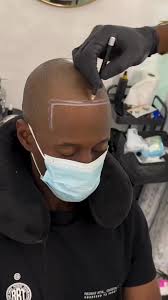
At Bomb Beauty in Sandton, the treatment is attracting a growing number of clients looking for a non-surgical way to restore the look of a fuller head of hair or create the appearance of a clean, closely shaved scalp. It is a technique that uses micro needles to place pigment into the scalp, creating the impression of tiny hair follicles. The result is subtle, natural-looking and tailored to the individual.
Although scalp micropigmentation has been around for some time, many people still misunderstand what it actually is. One of the biggest misconceptions is that it is the same as a hair transplant. It is not. A hair transplant involves moving real hair from one part of the scalp to another. SMP, by contrast, creates the illusion of density. It does not regrow hair, but it can make thinning areas appear fuller and bald areas look neatly shaved and defined.
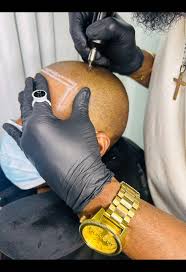
Another common assumption is that it will look artificial. In reality, when done properly, the result can be remarkably natural. The secret lies in the detail. A good practitioner will avoid harsh, overly perfect lines and instead create a softer, more realistic hairline based on a client’s age, face shape and natural pattern of hair growth.
While many clients are men experiencing receding hairlines or balding, the treatment is increasingly attracting women too. Those dealing with thinning hair, alopecia or changes around the hairline are also turning to SMP as a way to improve the overall appearance of their hair without surgery or daily maintenance.
Part of the appeal is that the treatment can work in different ways depending on the client. For someone who is completely bald, it can create the effect of a fresh, clean shave. For someone with thinning hair, it adds the appearance of depth and density, helping the hair look fuller than it is.
What makes the treatment especially meaningful for many people is the emotional impact. Hair loss can affect confidence in ways that are not always visible to others. Restoring the appearance of a hairline or fuller scalp can make a noticeable difference in how someone feels about themselves. Often, it is not just about how they look, but how they carry themselves afterwards.
The process usually takes place over two to three sessions, with each session lasting between two and four hours. Results are built gradually, which helps create a softer and more realistic finish. Some slight redness can appear after treatment, but it generally settles quickly.
As with any cosmetic procedure, choosing the right practitioner matters. Experience, training and a strong body of work are essential. The most common mistakes in SMP tend to come from poor technique, whether that is an unnatural hairline, the wrong pigment choice or results that look too heavy.
One reason scalp micropigmentation continues to grow in popularity is that it is relatively low maintenance. Results typically last between three and five years before a touch-up is needed, and the pigment fades gradually over time, which helps keep the finish looking natural.
At a time when more people are looking for effective but non-invasive beauty and grooming treatments, scalp micropigmentation is finding its place as a realistic and long-term option. At Bomb Beauty in Sandton, it is becoming clear that this is not simply about appearance. For many clients, it is about feeling more confident, more comfortable and more like themselves again.