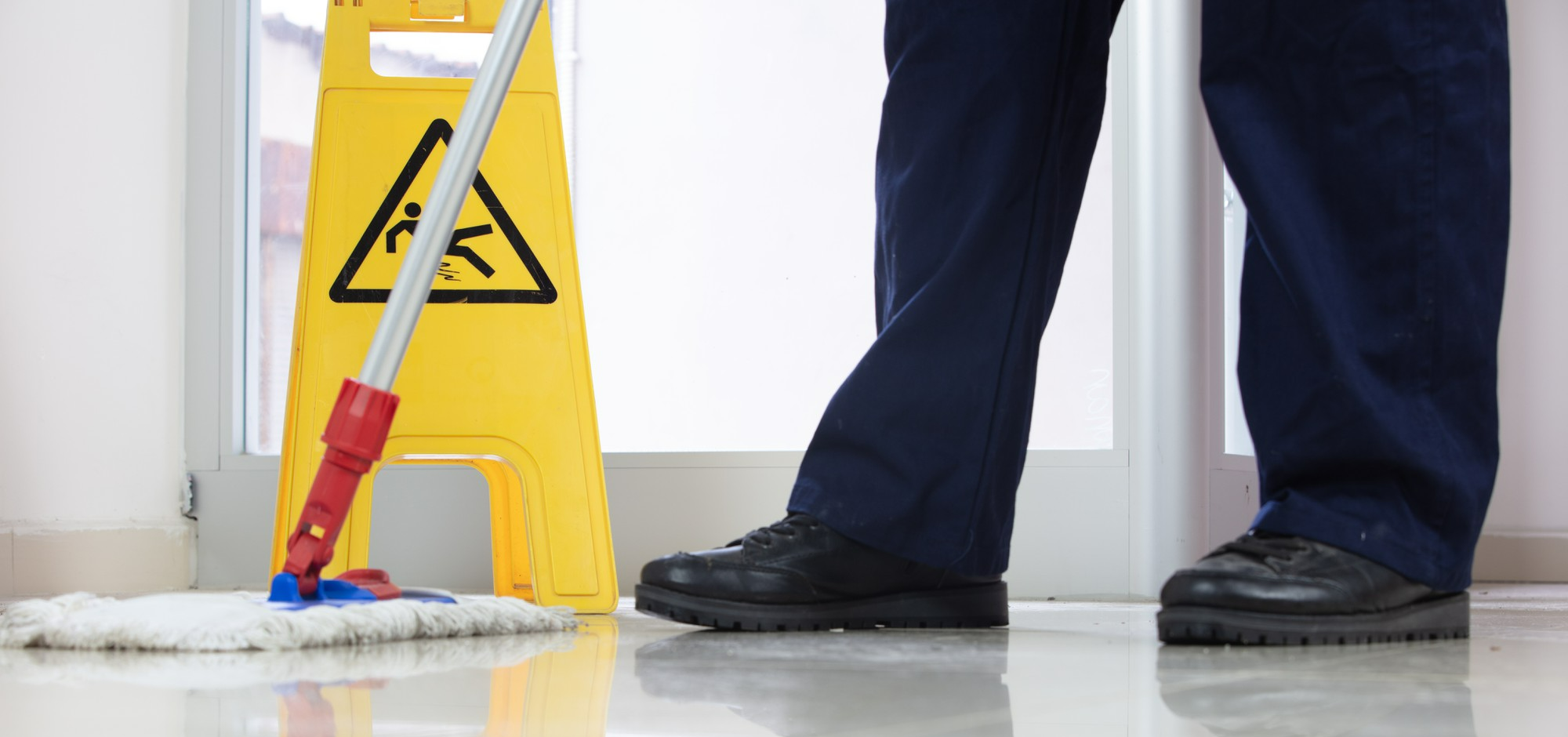
Let’s be honest: when we think “cleaning,” our minds jump straight to the products. The disinfectants. The degreasers. The germ-busting formulas. But here’s the quiet truth: even the best products can fall short when your tools aren’t up to the task – because true hygiene depends on both.
“In busy public environments like hotels, restaurants, retail stores, and office blocks, surfaces are constantly touched or walked on by countless people throughout the day,” says Jeffrey Madkins, Marketing Manager at Unilever Professional. “Using worn or poor-quality tools can quietly sabotage even the best cleaning efforts and erode the standards your clients and guests expect.”
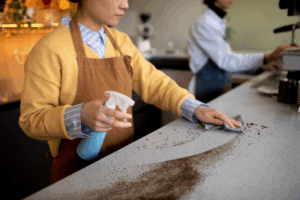
Imagine trying to polish a wine glass with a frayed cloth. Or mopping a lobby floor with a head that’s more smear than clean. Or even sanitising elevator buttons, doorknobs, and checkout terminals with cloths that have seen better days. The result? Surfaces that look clean but in reality, germs and dirt still linger. And in high-touch zones like kitchens, guest rooms, dining areas, checkout counters and restrooms, that’s a big risk because ‘look clean’ simply isn’t good enough.
Industry reports suggest a significant portion of hygiene failures in hospitality environments stem from improper tool use or maintenance¹. “That’s not just a hygiene issue – it’s a business risk,” notes Madkins. “In an industry such as hospitality where guest reviews can make or break a brand, overlooked details like tool condition can gradually undermine trust². A single hygiene lapse – especially in visible areas – can ripple through online ratings and repeat bookings.”
Often, the source of the problem is surprisingly simple: tools that are worn, poorly maintained, or used beyond their lifespan. Take cloths, for example – when overused, they lose absorbency and structure, stopping them from lifting dirt and spreading it instead. Mops are no better. A mop head that’s fraying or discoloured isn’t just unsightly, it’s a signal that it may be spreading contamination rather than removing it. And when tools aren’t cleaned properly after use or replaced regularly, they can become breeding grounds for the very microbes you’re trying to eliminate³.
And don’t forget the humble broom. In high-traffic areas like lobbies, corridors, and outdoor entrances, brooms are often the first line of defence against visible dirt. But when bristles are bent, worn, or clogged, they stop collecting debris effectively, leaving behind particles that can be tracked further into clean zones or released into the air. It’s not just about appearance; it’s about controlling contamination at the source.
Madkins points out that while regular audits and clear replacement schedules are important, so too is empowering staff to recognise when tools are starting to wear and request timely replacements – ensuring hygiene standards are maintained and creating a culture where quality matters.
“In busy, customer-facing environments such as hospitality and retail, every detail matters,” he concludes, “and reliable tools, in addition to excellent cleaning products, are what bring hygiene standards to life.”
So, next time you stock up on cleaning products, take a moment to check your tools as well. Are they helping you achieve true hygiene – or quietly working against you?