The scale and sophistication of digital fraud in South Africa is reaching crisis levels, with the telecommunications sector at the centre of the storm
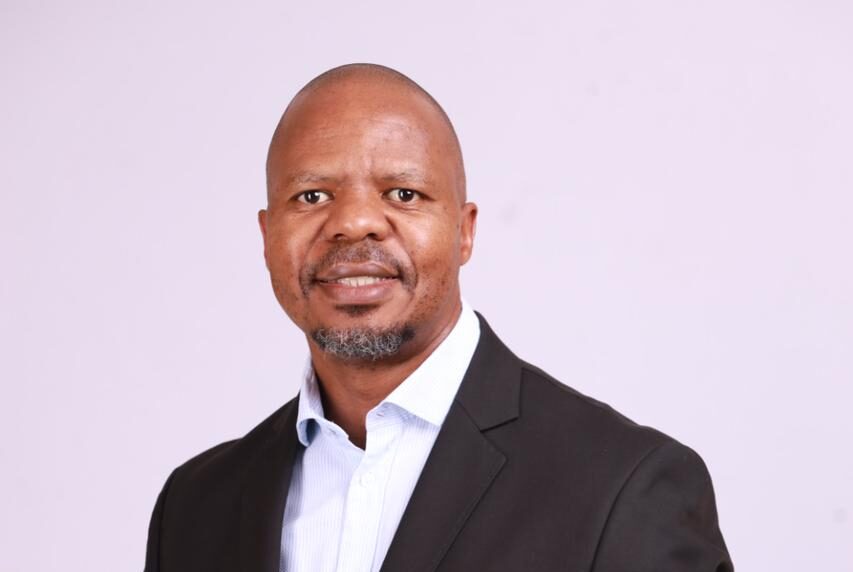
Speaking at the SAFPS International Fraud Summit in Johannesburg last week, Thokozani Mvelase, CEO of the Communication Risk Information Centre (COMRiC), issued a stark warning to the business community about the evolving nature of AI-driven scams and the urgent need for cross-sector collaboration.
“Scammers are no longer lone wolves with laptops, they are highly organised networks deploying artificial intelligence to create fake content and mask fraudulent activity,” said Mvelase. “In 2023 alone, over one trillion dollars was lost globally to scams, with the telecommunications industry a primary target. South Africa is not immune, and unless we act decisively, we will continue to bleed trust and capital.”
Mvelase highlighted the increasing use of pre-RICA’d SIM cards, subscription fraud, and identity theft as key vulnerabilities in the local telecoms’ ecosystem. Fraudsters are exploiting these loopholes with sophisticated tools, often gaining access to sensitive personal data, and using it to breach financial systems and social platforms.
COMRiC has called for a new level of urgency and accountability in the way telecom fraud is tackled.
“Telecommunications infrastructure is the foundation of our economy and our national security,” said Mvelase. “We must protect it with the same vigilance we reserve for financial institutions and critical infrastructure.”
AI is not only a threat but also part of the solution. Mvelase pointed out how predictive analytics and machine learning are beginning to help telcos detect patterns of fraud in real time. “AI can detect and block suspicious call patterns, flag irregular account activity, and neutralise SIM box fraud before it escalates. But we cannot rely on technology alone. What is needed is collective action.”
He called on South African businesses to break down silos and partner across industries, from financial services to network operators and cybersecurity firms: “This is a war that requires a united front. Every institution that oversees customer data or digital transactions has a role to play.”
Mvelase issued a strong call to action. “Fraud is not a telecom problem, it is a national risk issue. Business leaders must treat it as such. This is the time for bold commitments and shared intelligence. We must outthink and outpace the criminals or risk allowing them to outmanoeuvre us all.”
The SAFPS International Fraud Summit brought together leaders in fraud prevention, financial services, law enforcement, and technology, with COMRiC positioning itself at the forefront of risk coordination across South Africa’s digital communication channels.