
Ad fraud in the age of artificial intelligence [AI] has escalated from a game of simple scripts into a highly sophisticated arms race. Powered by AI, global digital ad fraud losses are projected to reach $172 billion by 2028, Juniper Research estimates.
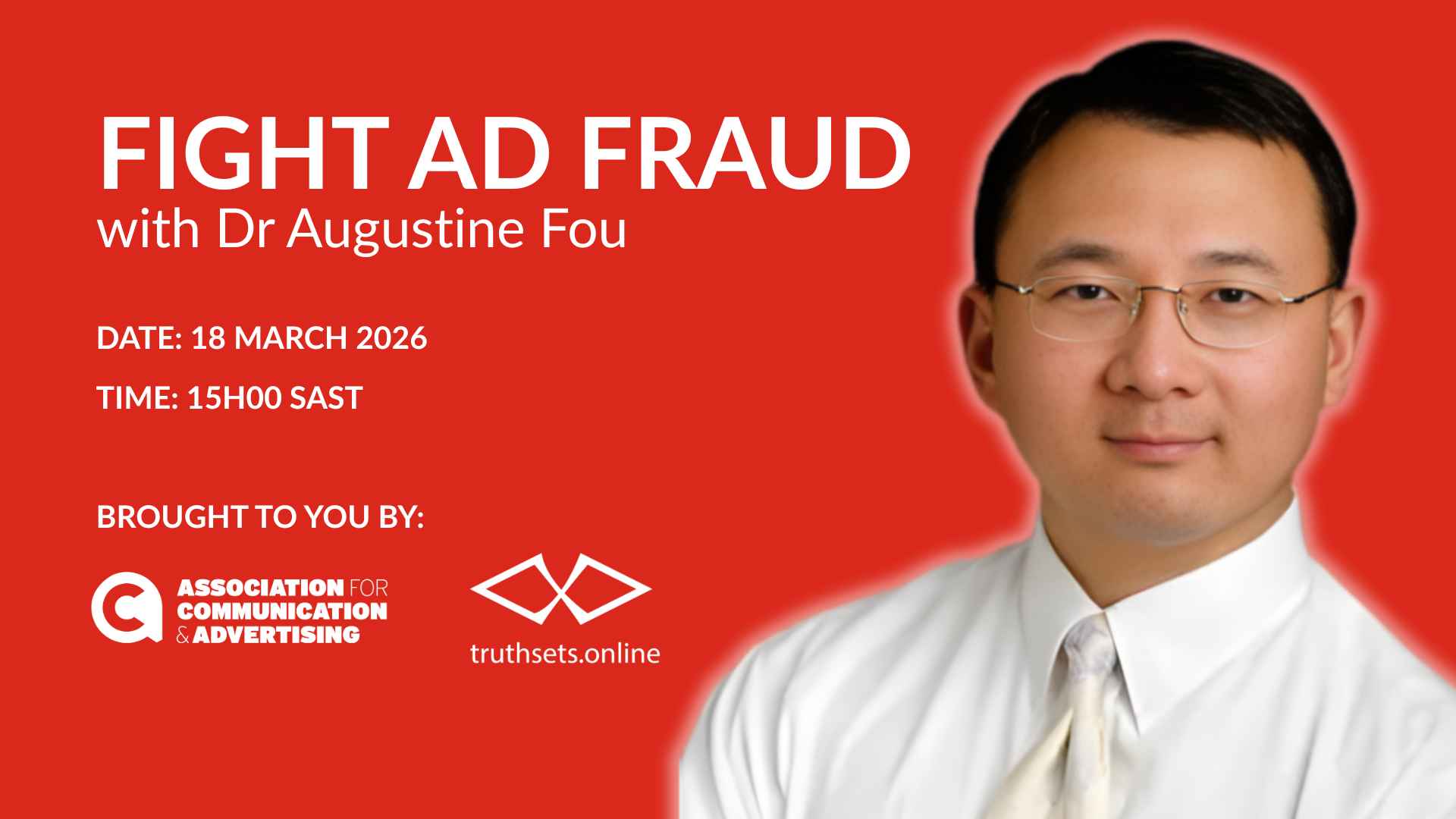
To tackle this increasing threat to media budgets, the Association for Communication and Advertising South Africa (the ACA) has joined forces with truthsets.online to present a webinar featuring Dr Augustine Fou, one of the world’s most respected ad fraud researchers. During the online session, which takes place on Wednesday, 18 March 2026, at 15h00, Dr Fou will offer a rare, inside look at how fraud operates, how AI has accelerated things, and how brands can detect and mitigate losses.
Famously dubbed the ‘Titan of Transparency’, Dr Fou is an independent cybersecurity investigator who has taught at NYU and Rutgers University. His distinguished career includes serving as Group Chief Digital Officer at Omnicom’s Healthcare Consultancy Group and as SVP Digital Strategy Lead at McCann Worldgroup (now MRM). On the brand side, Dr Fou has worked for American Express and McKinsey.
“Fraudsters are increasingly leveraging AI to automate and refine their scams, rendering them nearly indistinguishable from legitimate user interactions. AI-driven bots no longer just click repeatedly. They now simulate human-like behaviour, including scrolling, mouse movements, and complex browsing patterns that easily bypass basic legacy detection systems,” Dr Fou says.
“The online advertising industry has long been led to believe that ad fraud hovers around the 1% mark. This narrative is fundamentally untrue; it misses the mark by frightening multiples. The 1% figure merely represents a fraction of the fraud legacy verification businesses can catch,” Dr Fou says.
Why does this myth persist? “For years, digital ad fraud existed in darkness and denial. The industry preferred to believe the numbers rather than question them. Today, that is changing. Independent analyses now show that roughly a quarter of programmatic spend is diverted to made-for-advertising sites or fraudulently not served in other ways, and impression volumes often exceed the number of available eyeballs on the planet! There is more scepticism all aroundon so-called vanity metrics, so it’s a good time to take a hard look at this,” says Gillian Rightford, Executive Director of the ACASA.
“AI is now accelerating the enablement of ad fraud at an unprecedented scale. Having seen Dr Fou’s methods applied to South African brands, the patterns are unmistakable and deeply concerning,” says Rightford.
“At a time when every marketing rand is under scrutiny, it is extraordinary that more organisations are not actively separating real audiences from artificial ones. The opportunity is not only to reduce waste, but to materially improve business outcomes by investing in media that reaches actual people,” Rightford notes.
The upcoming webinar presents a golden opportunity for South Africa’s brand owners and managers. Attendees will gain deep insight into the real scope and scale of ad fraud, understand why the issue has persisted, and learn evidence-based methods that dramatically improve campaign performance, strengthen media quality, and drive better business outcomes.
Event Details:
-
- Hosts: truthsets.online and ACASouthAfrica
- Date: Wednesday, 18 March 2026
- Time: 15h00 SAST
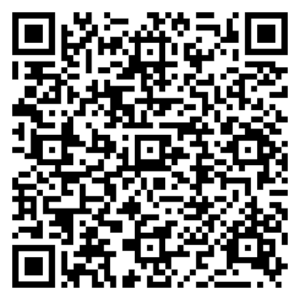
- Registration: Book your seat HERE: https://ow.ly/KHHu50Y8Irw
QR code for registration