As part of INTERPOL’s Project Stadia, Kaspersky cooperated with INTERPOL to ensure the cybersecurity of the Africa Cup of Nations (AFCON) football tournament, which concluded in Morocco in December 2025-January 2026. The threat intelligence data shared by Kaspersky was used by Moroccan law enforcers to mitigate the potential cyber risks targeting the competition and its spectators.
Major sporting contests naturally attract much attention and are accompanied by upticks in cybercriminal activity, with threat actors rarely missing an opportunity to make a profit from fans and to capitalise on their interest in high-profile events. Kaspersky has been supporting the cyber defence of major sporting events, both contributing to the international law enforcement efforts as well as educating spectators on how to stay vigilant.
To help create a safer online community around the AFCON, Kaspersky shared with INTERPOL the data on a wide range of threats targeting the contest, its participants and viewers, and the host country in general:
? Compromised credentials: The Kaspersky Digital Footprint Intelligence team has identified on the dark web more than 2,116,000 credentials associated with Moroccan users or resources compromised by infostealers, a type of malicious software designed to extract credentials, financial details or other valuable information.
? Hacktivist activity: Kaspersky detected a spike in hacktivist activity in Morocco between the period of September to December 2025. About 300 messages, reporting on hacktivist attacks, targeting Morocco, were published in 2025, with DDoS attacks and defacement being the key tools of hacktivists.
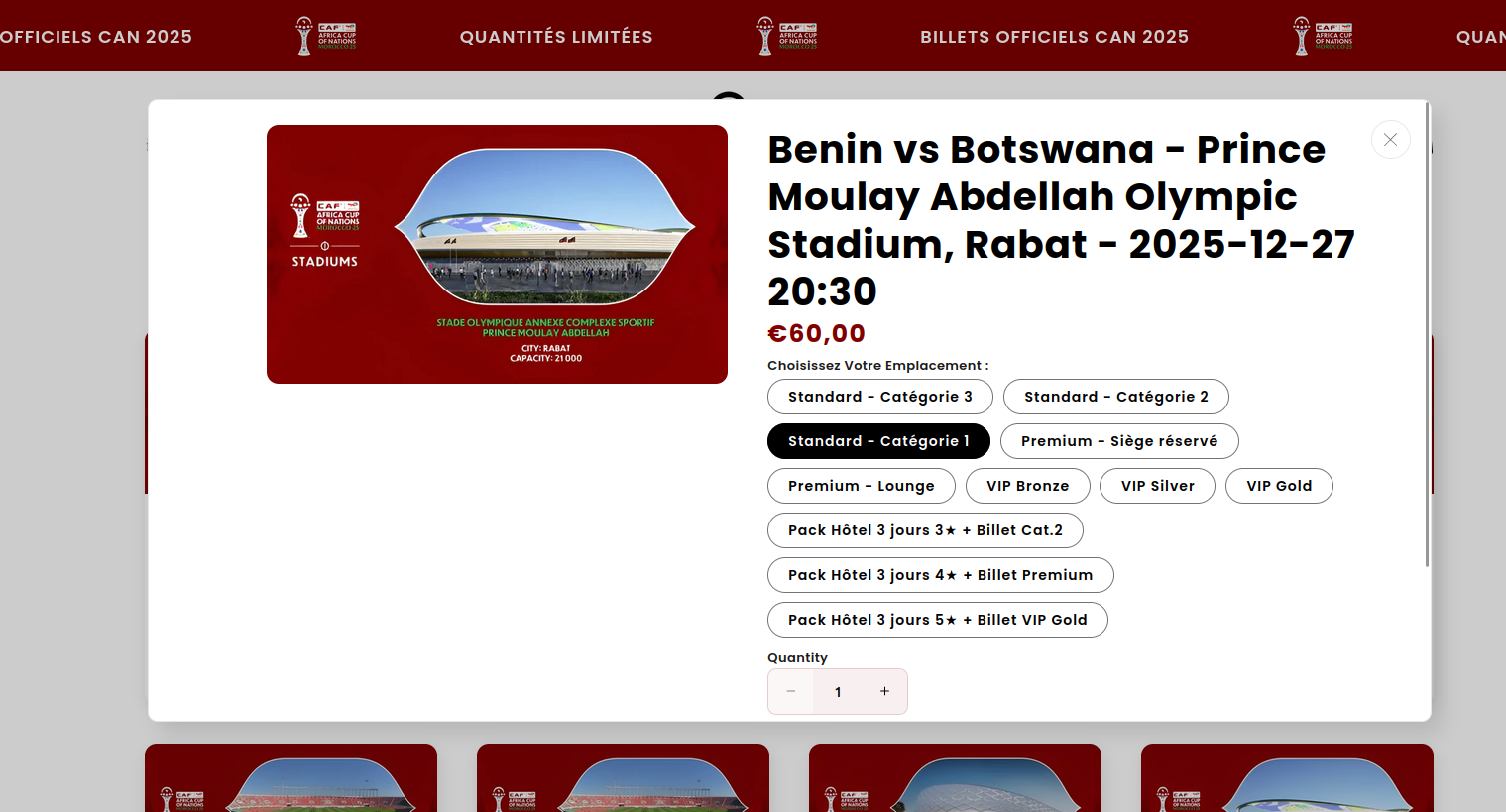
? Scam websites: Kaspersky identified a number of fraudulent websites harvesting user data and payment information under the guise of websites offering tickets to AFCON or promising prizes for picking the winning team of upcoming matches.
“Major international events present attractive targets for attackers, who run attacks to exploit millions of fans through diverse fraudulent schemes,” comments Yuliya Shlychkova, VP of Global Public Affairs at Kaspersky. “In such scenarios, fostering collaboration between public and private entities is crucial to channel all efforts into combating cybercrime and creating a secure experience for the millions attending these global events. Kaspersky is proud to contribute to INTERPOL’s mission, which unites industry stakeholders in a shared commitment to global cybersecurity.”
INTERPOL-led efforts play a vital role in bringing together and coordinating stakeholders whose involvement is crucial for ensuring the security of major high-profile events. Kaspersky has maintained a positive momentum of joint cooperation projects with INTERPOL. Just recently, Kaspersky joined INTERPOL-led cybersecurity efforts around the major tournaments like the Paris 2024 Olympic Games and the 2025 Formula 1 Singapore Grand Prix.