For decades, photography tours have focused strictly on traditional fundamentals: chasing golden hour light, mastering manual exposure, and framing compelling compositions. However, the rise of artificial intelligence has introduced a powerful new layer to these travel experiences, writes Vanessa Rogers.
Joining a photography tour today offers a firsthand look at how artificial intelligence (AI) is transforming the craft, not by replacing human creativity, but by radically expanding what a photographer can achieve in the field.
Real-time technical optimisation
On a guided tour, conditions change rapidly, forcing you to capture fleeting moments under unpredictable skies. AI-driven camera features now serve as an intelligent assistant during these high-pressure scenarios. Modern autofocus systems utilise deep-learning algorithms trained on vast databases of shapes and movements. While tracking a moving subject – whether it is a soaring eagle or a speeding vehicle – the camera immediately recognises eyes, faces, and bodies. This allows you to shift your mental energy away from technical execution, so that you can focus entirely on visual storytelling and timing.
Democratising difficult environments
Tour participants frequently encounter extreme environments, from dimly lit cathedrals to dark, starlit landscapes. Traditionally, these scenarios required expensive, specialised gear or advanced multi-exposure techniques. AI changes the equation entirely. In-camera computational photography leverages neural networks to capture multiple frames instantly, aligning them to reduce noise and maximise dynamic range. Watching a compact mirrorless camera pull clean, vibrant details out of a nearly pitch-black environment demonstrates how AI democratises advanced photography – making professional-grade results accessible without requiring a heavy backpack full of gear.
Accelerating the editing workflow
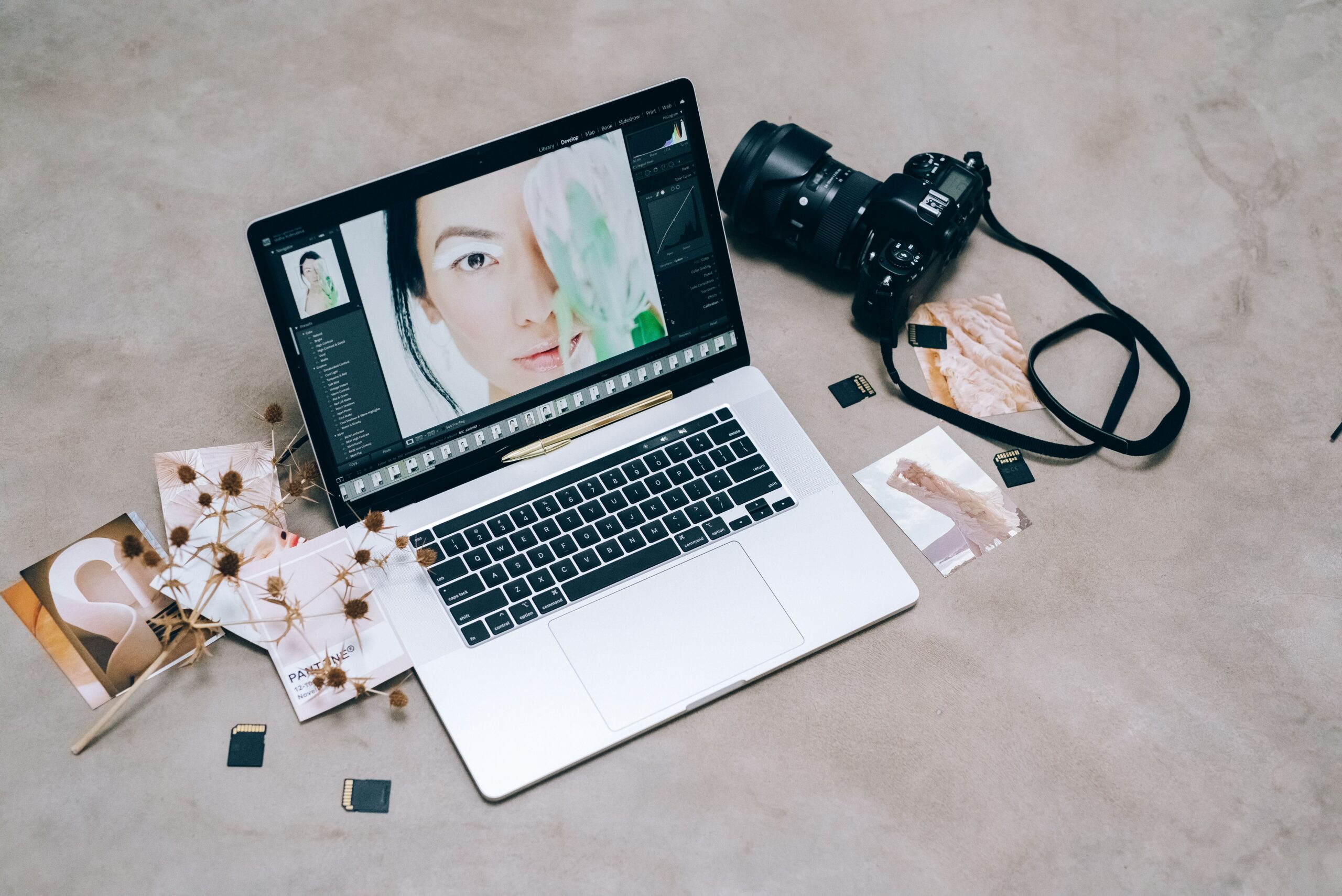
A massive part of any photography tour takes place after the sun sets, during nightly critique and post-processing sessions. This is where the efficiency of AI truly shines. Tools powered by machine learning can analyse an image to apply precise masks to the sky, background, or subject with a single click. Instead of spending hours meticulously brushing edges, you can manipulate complex selections instantly. Generative fill features can seamlessly remove distracting elements, like power lines or unexpected tourists, saving images that would have previously been discarded. Learning these workflows on your Cape Town photography workshop – alongside a professional instructor– shows you how AI compresses hours of tedious editing into a few creative choices.
Redefining creative boundaries
Perhaps the most profound realisation on an AI-integrated photography tour is that technology serves as a tool for creative liberation; not clinical automation. AI handles the mathematical burdens of photography – calculating noise reduction, predicting motion, and isolating tones. By outsourcing these mechanical tasks to intelligent software, your brain is freed to focus on what truly matters: composition, emotion, narrative, and perspective. The technology ensures that a technically flawed exposure no longer stands in the way of a powerful artistic vision.
Ultimately, experiencing AI on a Cape Town photography tour refines your relationship with modern technology. It reveals that the heart of photography remains unchanged. AI cannot choose the exact second you press the shutter, nor can it replicate the unique personal connection you forge with a scene. Instead, it acts as a force multiplier, removing technical limitations and allowing you to bring home the exact vision you experienced in the moment.
• Go to Travex.com to select your next travel destination, or to plan a trip with a photographic focus.