Four scams to watch for, and six habits that help keep your money safe
Black Friday bargains are designed to make shoppers act fast. So are scams. With International Fraud Awareness Week running from 15 to 21 November and Black Friday following on 27 November, RCS is encouraging South Africans to pause and check before they click, pay or share personal information.
Fraudsters are counting on that rush. According to the South African Banking Risk Information Centre (SABRIC), South Africans lost R2.4 billion to digital banking crime in 2025, an average of almost R22,000 per incident. Most of it came from social engineering, where criminals trick people into sharing information or approving payments, rather than from attacks on banks’ systems.
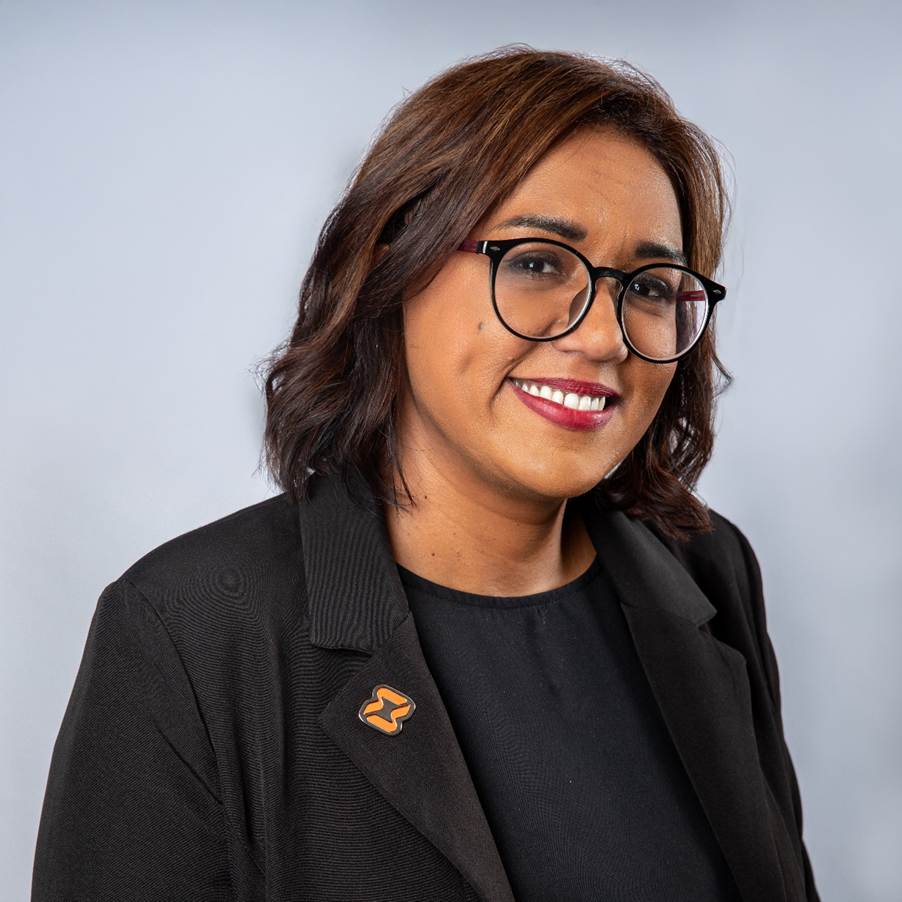
“Most scams rely on one of two tricks,” says Audrey Roberts, Customer Operations Executive at RCS. “They either rush you with fake urgency or win you over with fake trust. Once you know these tricks, a scam becomes much easier to spot.”
Seeing is no longer believing
Artificial intelligence (AI) is making scams harder to recognise. Criminals use it to write polished, personalised messages that appear to come from a real business, or even from someone you know.
“The spelling mistakes that used to give scams away are disappearing,” says Roberts. “AI writes convincing messages in seconds, and deepfakes can produce realistic photos and videos. If a message seems to come from a brand or person you trust, check it through a channel you already know, like the official website or a number you’ve saved yourself.”
If you use AI chatbots to hunt for deals, Roberts advises against typing in passwords, card details, ID numbers or other personal information, as what you enter may be stored or reviewed.
| Four Black Friday scams to watch for
1. The fake deal. Copycat websites or social media adverts selling big-brand goods at unbelievable prices. The goods never arrive, and your card details may be stolen. 2. The delivery scam. An SMS, WhatsApp or email saying a parcel is delayed or that you owe a small delivery or customs fee. Track orders only through the retailer’s official website or app. 3. The fake giveaway. Competitions or voucher offers that ask for personal details, an “admin fee” or your one-time PIN (OTP) to claim a prize. Genuine competitions never ask for your OTP. 4. The fake helpline. Fake contact numbers planted online so that they appear in search results and AI search summaries. Call a store only on the number listed on its official website or your order confirmation. |
Six habits that help keep you safe
- If a deal looks too good to be true, it probably is.
- Check the full web address. A padlock or “https” doesn’t prove a website is genuine.
- Never share your PIN, password or OTP, and don’t approve a banking app notification for a payment you didn’t make.
- Be wary of sellers who insist on an instant EFT instead of a card payment.
- Use mobile data, not public Wi-Fi, when you shop online or bank.
- Keep your phone locked and updated, use a strong, different password for each account, switch on two-step verification and only download apps from official app stores.
“RCS will never call, SMS or email you asking for your PIN, password or OTP,” says Roberts. “If someone does, even if they know some of your details, it’s a scam.”
If you think you’ve been scammed
Roberts urges anyone who suspects a scam to stop all contact and act quickly. “Keep the messages, screenshots and proof of payment, as these help when you report it,” she says. “There’s no shame in being targeted. These criminals are professionals, reporting quickly limits the damage and helps protect others.”
Next steps:
- Contact your bank or credit provider immediately to stop your card or block the transaction.
- Change the passwords on any accounts that may be affected.
- Report the crime at your nearest police station and ask for a case number.
- If your ID details have been shared, apply for free Protective Registration with the Southern African Fraud Prevention Service (SAFPS) at www.safps.org.za.
| Think your RCS account has been targeted?
If you think a scam involves your RCS account, contact the RCS fraud team straight away by emailing investigations@rcsgroup.co.za or calling 021 597 4970. [Operating hours: Monday to Saturday: 8:00 – 21:15, Sunday: 9:00 – 19:00] For other accounts, contact your bank or the provider concerned, and report the crime to the South African Police Service (SAPS). |