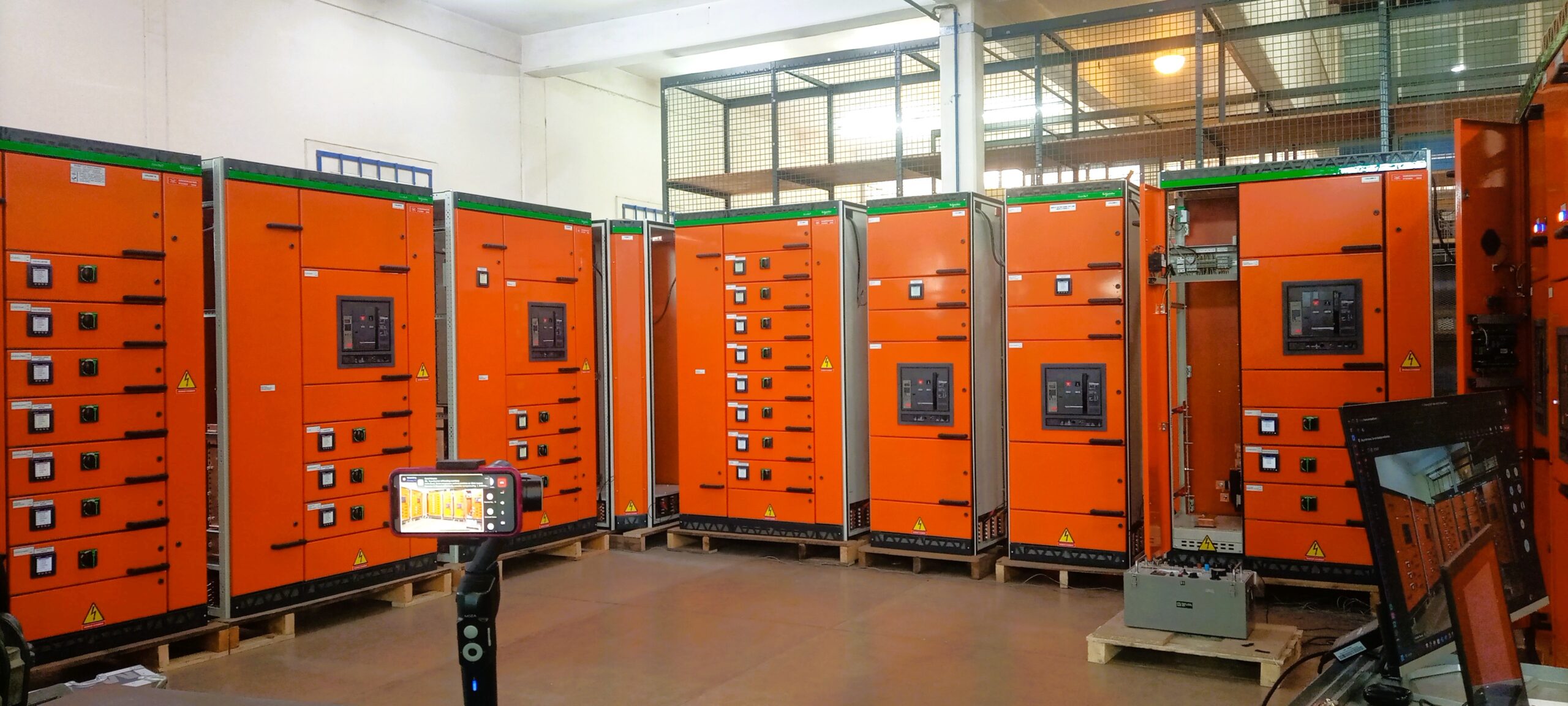
ACTOM Kenya has successfully completed a comprehensive electrical upgrade for a leading FMCG manufacturer, shifting the site’s focus from reactive repairs to sustainable operational strength. Through the seamless alignment of modern low voltage systems with legacy infrastructure, the project delivered a robust power foundation. This strategic intervention protects the facility’s demanding production schedules while setting a new benchmark for industrial safety and reliability.
For industrial facilities of this scale, the cost of power instability is measured not just in kilowatt hours, but in lost batches and idle labour. ACTOM Kenya approached the challenge by looking at the entire power ecosystem, ensuring every new component served a specific job function within the manufacturing process.
Building a backbone of reliability
Within the demanding FMCG sector, even brief power failures can lead to substantial financial setbacks. ACTOM Kenya mitigated this risk by strengthening the facility’s core electrical infrastructure through specialised low voltage distribution and transformer systems. These systems form the foundation of reliable power provision, ensuring that every machine on the line receives a stable and efficient supply.
To eliminate the risk of downtime, the solution utilises automated transition technology. Daniel Kimani, Low Voltage Business Unit Manager at ACTOM Kenya, notes that “a well-designed system includes seamless changeover mechanisms, such as automatic transfer switches with specialised controllers that minimise or eliminate downtime during power interruptions.” By ensuring that the transition between power sources is invisible to the machinery, the facility maintains its momentum and supports overall plant productivity.
Intelligence that looks to the future
The upgrade moved the facility toward a proactive, data-driven maintenance model. By integrating intelligent communication panels, the site now captures real-time analytics on energy consumption, voltage and panel temperatures.
Kimani explains that “advanced monitoring systems reveal trends and patterns that help predict potential issues before they escalate.” This visibility allows the facility to move away from guesswork and toward actionable intelligence. The system empowers the management team to:
- Prevent breakdowns: Schedule component replacements well ahead of failure based on wear patterns.
- Mitigate risk: Address overheating or current irregularities before they trigger a shutdown.
- Optimise energy: Identify high-usage patterns to improve overall plant efficiency and uncover opportunities for cost reduction.
Safety was further bolstered through built-in interlocks; emergency stops and comprehensive alarms. These features ensure the facility meets rigorous design standards while protecting its workforce from the inherent risks of high-power industrial environments.
The invisible integration
One of the most complex aspects of the project was expanding the facility’s capacity while maintaining the integrity of the original setup. Many providers struggle to bridge the gap between older infrastructure and modern automation, but ACTOM Kenya focused on a seamless interface that treats the old and new as a single entity.
“The client was surprised to see that we took the time to understand their existing infrastructure and developed a solution that interfaced perfectly with it,” says Kimani. “In terms of automation and power supply, everything is so well-integrated that you cannot distinguish between the new and the old systems.” This approach preserved the continuity of current processes while avoiding the high costs associated with total infrastructure modification.
A partnership for resilience
The success of the project relied on a deep collaborative relationship between ACTOM Kenya and the client’s project management team. This partnership was built on clear communication regarding timelines, technical requirements and business expectations.
“We view the client’s losses as our own,” Kimani says. “We have automated the system to a point where they can rely on us completely. We also maintain standby solutions, so we never let them down, because we know that any time wasted is a loss to their business.” This end-to-end support, from initial design to ongoing technical assistance, ensures the facility remains a robust, future-ready production environment capable of sustaining growth in a competitive market.