Nearly two-thirds say AI has made them more productive, but only one in ten non-managers believes their employer has explained its AI strategy
South African employees are rapidly integrating AI into their work lives. Still, many believe their employers are struggling to keep pace, according to new Oliver Wyman research .
The South African edition of the Oliver Wyman Forum’s 300,000 Voices study finds that almost half (47%) of South African employees now use AI at work three or more times a week, up from 37% in 2023. Nearly two-thirds (63%) say AI has improved their productivity, while 60% report that it has improved their work-life balance.
But growing adoption is being accompanied by significant uncertainty. Only 44% of South African workers believe their organisation is ready to adopt AI at scale, while 61% believe AI could replace more than half of the jobs in their company.
The research also reveals a striking divide between the C-suite and the rest of the workforce. While 53% of executives believe their company is ready to scale AI, confidence falls to 35% among non-managerial employees. And while 33% of executives believe their organisation has articulated a clear AI vision and kept employees informed, only 10% of non-managerial staff agree.
The findings form part of 300,000 voices, a five-year Oliver Wyman Forum (Oliver Wyman’s think tank) research programme spanning 20 countries and nearly 300,000 responses. The new South African edition examines how attitudes and behaviours are changing across work, finance, health, technology, consumer behaviour, and leadership.
Other findings include:
- AI is entering South African’s financial lives: 66% have interacted with AI for everyday banking needs, 62% for financial planning and advice, and 53% for investing.
- AI is increasingly part of healthcare decision-making: nearly 70% report using AI for health-related questions, including 43% for urgent healthcare needs.
- Employees want more than flexibility: recognition and feeling valued rank ahead of location and working arrangements when South Africans consider what matters most at work.
- There’s a significant disconnect in leadership perception: 70% of executives believe their company’s leaders demonstrate emotional intelligence well, compared with 37% of non-managers
- Trust increasingly sits outside traditional institutions: 82% of South Africans trust the brands they use most, compared with 36% who trust national government and 29% local government
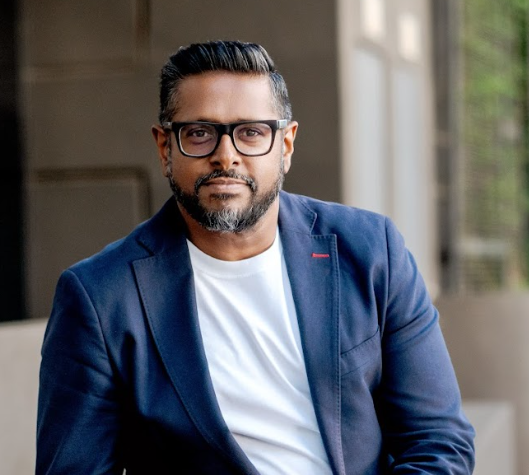
“South African business as a whole have embraced AI in a big way,” says Prejlin Naidoo, Partner, Consumer, Telco and Tech at Oliver Wyman. “But the disconnect between executives and workers on AI readiness should be cause for concern among the C-Suite. The best way of closing that disconnect is to engage with workers, listen to their concerns, and adapt AI strategies accordingly.”