Africa’s digital economy is growing rapidly, driven by digital shifts across the continent. More investments in cloud services, e-commerce, and digital finance are boosting data centre development and countries like South Africa, Nigeria, and Kenya are leading the way. However, a major challenge remains. Sustainable and reliable power systems must form the backbone of Africa’s digital growth to ensure lasting success.
Overcoming the Reliability Barrier
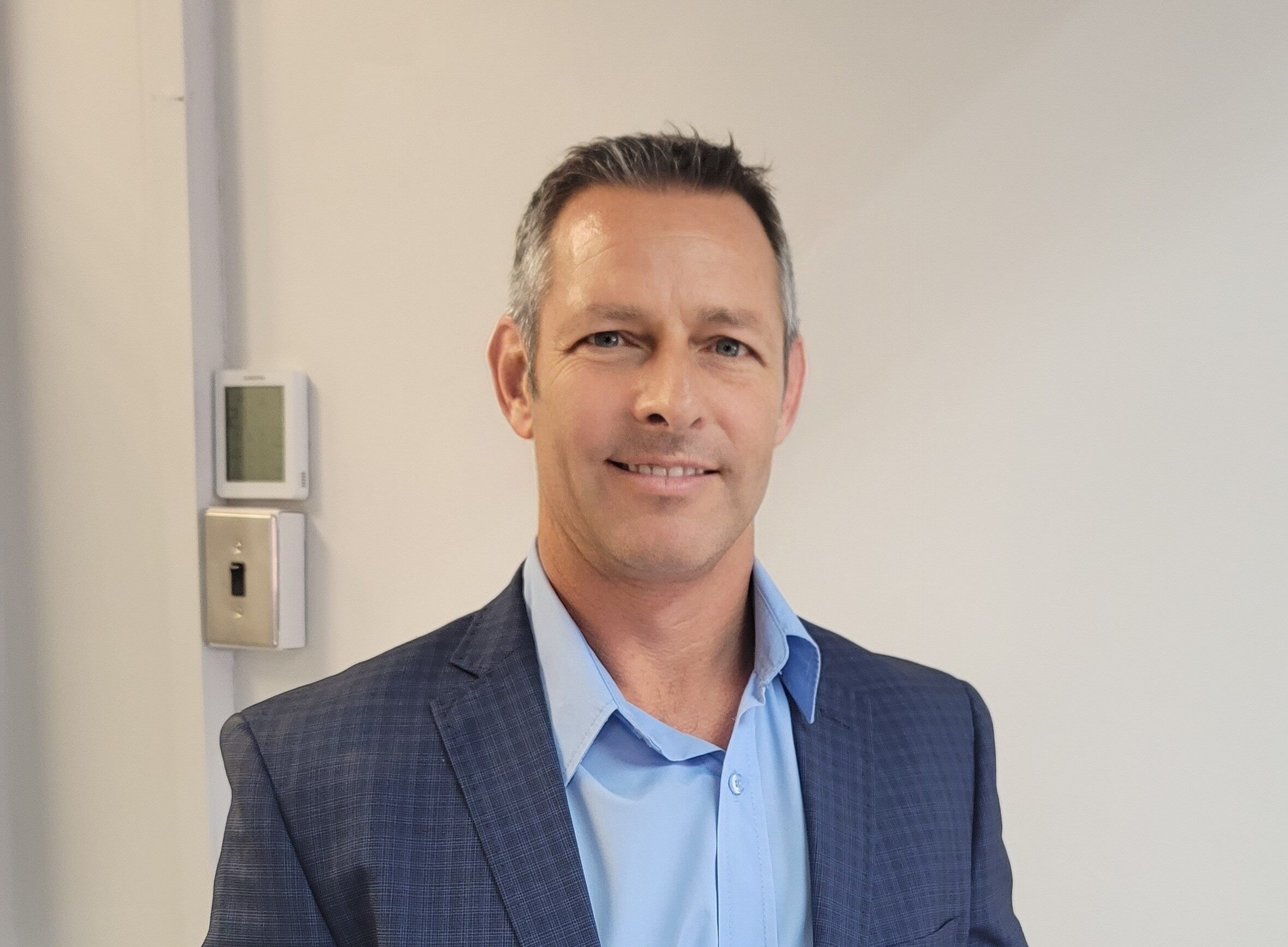
Herman Mare, General Manager at ACTOM Smart Technologies, says, “Many African regions still struggle with unstable power supplies. For instance, Nigeria’s grid depends heavily on diesel generators during outages, while South Africa faces frequent power cuts. Data centres require almost total reliability since even a short interruption can lead to failure. Fortunately, solutions are available. Data centre operators can attain high reliability through duplicate power circuits, strong backup systems, and advanced monitoring technologies that allow continuous operation despite grid issues.”
Fusing Reliability with Sustainability
Global and local data centre developers now need to build facilities that are both reliable and environmentally friendly. Relying only on diesel power is no longer practical due to high costs and environmental concerns. Instead, hybrid power systems that combine renewable energy sources like solar and wind with battery storage are gaining traction. These systems lessen the reliance on diesel generators, providing uninterrupted power and meeting international environmental standards.
Mare, adds, “While diesel generators still play a key role as backup, overdependence on them creates operational and environmental risks. Diesel use leads to environmental harm, high costs, and failure to comply with global sustainability standards. Embracing renewable energy systems with storage options can ensure reliable power, reduce environmental impacts, and draw in eco-conscious investors.”
Urban Versus Rural Challenges
Another issue is how the physical characteristics of each area impact power infrastructure design. Urban locations benefit from being near substations and telecommunications infrastructure, making them suitable for large data centres, even with higher electricity costs. In contrast, rural areas have ample land and lower land costs but face challenges with power transmission. These issues call for investments in new substations, transmission lines, and microgrid systems, which are proving effective in supporting a variety of rural data centres.
Mare notes, “South Africa is implementing energy wheeling practices that allow the transfer of energy between locations, while Kenya’s use of hybrid microgrids offers reliable power to underserved areas. These developments help tackle regulatory uncertainties and build resilient, sustainable power solutions.”
“Expanding digital infrastructure relies heavily on partnerships between the public and private sectors. Governments can create opportunities through policies encouraging renewable energy, wheeling practices, and feed-in tariffs. At the same time, private sector investments in power substations, transmission systems, and hybrid energy setups are essential. Collaborative efforts will shape Africa’s ability to attract and maintain investment in digital growth.”
Enhancing Competitiveness
High electricity costs are a barrier to Africa’s competitiveness. However, the continent’s vast land resources and ample renewable energy present major benefits. These elements make Africa an appealing destination for investors looking for large-scale data centre projects, giving the continent a strategic advantage in the global digital economy.
Mare concludes, “Long-term infrastructure development is vital for Africa’s digital future. Smart investments in transmission networks, substations, and renewable energy systems will build a strong foundation that supports growth for decades. The choices made today will influence Africa’s global position in digital infrastructure, ensuring it stays competitive into the future.”