South Africa runs on small business, yet too many founders and long-time owners are stalling at the exact moment digital could unlock their next phase of growth. The country counts approximately 3 million small to medium enterprises with over 2.5 million as micro-enterprises, many operating informally. By late 2022, there were almost 1.75 million informal businesses and around 710,000 formal small businesses. These numbers show entrepreneurial depth, but also just how many businesses still navigate without the digital basics that make growth repeatable.
At the same time, when SMEs adopt technology, confidence rises because productivity and efficiency improve. Efficiency and new tech are among the top drivers of small-business optimism. However, the intention isn’t the same as capability. While 87% of South African SMEs identify digitising operations as a key growth driver, adoption remains uneven and often a piecemeal, leaving owners stuck between belief and action.
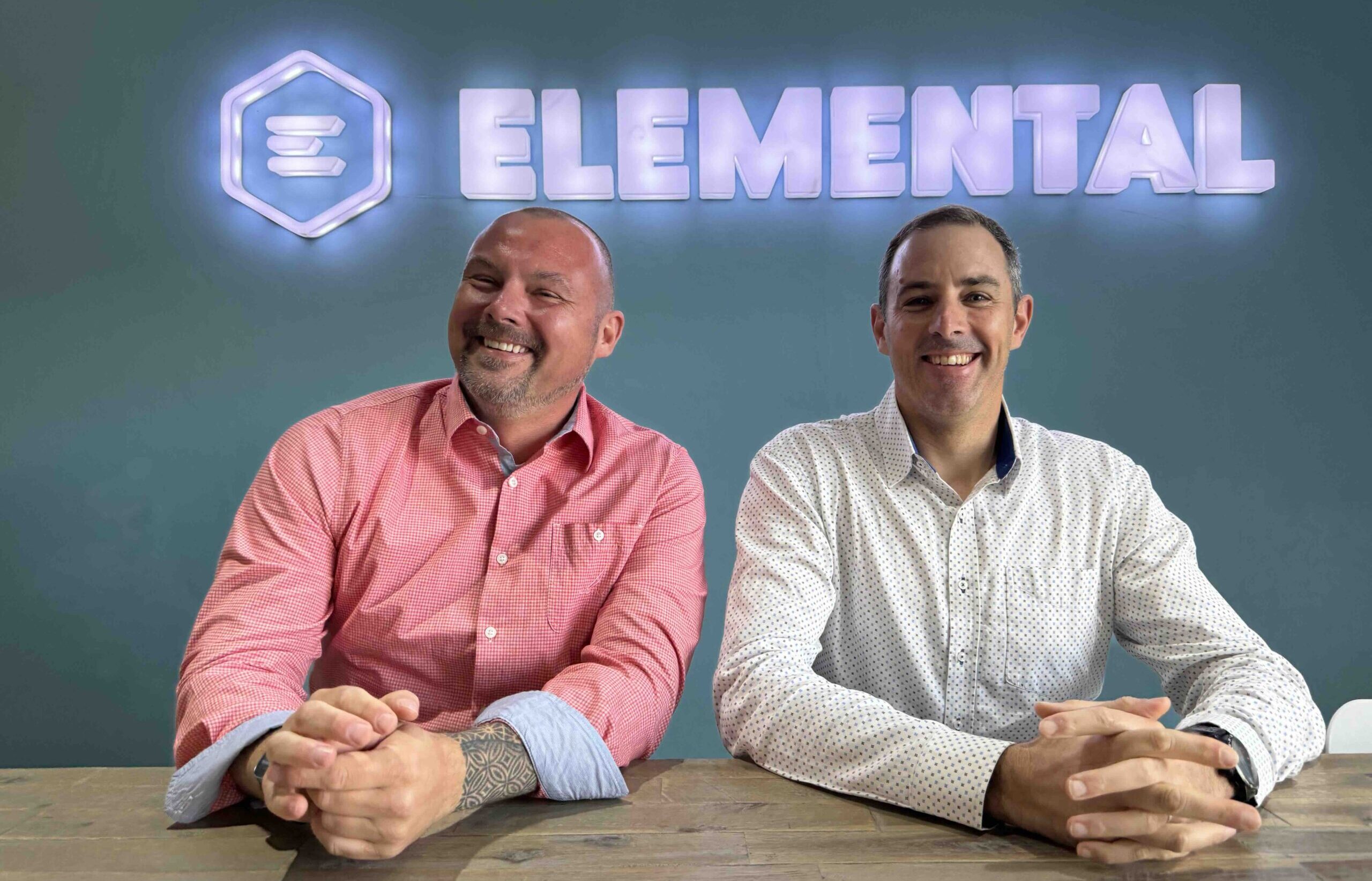
“Everyone’s talking about AI, rightly so, but for most businesses the real unlock is clear processes, better data, and systems built around how the business actually works,” says Angelo Zanetti, Co-CEO of Elemental. “Tech anxiety fades when teams are heard, upskilled and given tools that fit their day-to-day.” Elemental is a Cape Town based software development agency that designs and builds custom web and mobile solutions. They help businesses grow by pairing strong technical delivery with skill transfer so that teams gain the confidence and capability to use technology effectively.

“Digitisation isn’t buying software for the sake of it,” adds Jerry Diender, COO of Elemental. “Start with clarity. Look at which customer journeys matter, which bottlenecks cost you time and money. When strategy leads and tech follows, growth sticks.”
Here is how the cost of standing still now outweighs the cost of starting small
- Customer behaviour has already moved. Online retail is projected to top R130 bn this year, meaning your next customer expects discovery, purchase, and service to be seamless across channels. If you’re not present (and measurable) online, you’re invisible in a market where “digital” is no longer a bonus but a baseline.
- Payments are the canary in the coal mine. Nine in ten SA SMEs now accept digital payments, which shows that once a capability is demystified, adoption accelerates. Owners don’t fear technology but rather fear wasting money on the wrong thing. Start where friction is highest and then build outward.
- SA’s reality rewards practicality. Our market is resilient and resourceful. Many businesses “leapfrog” legacy steps, going straight to fit-for-purpose systems that actually reflect how the shop floor, sales team, and back office work.
- The opportunity cost is compounding. Every month without digital workflows is a month of lost data (so decisions stay guesswork), manual rework (so margins erode), and customer drop-off (because journeys are clunky). The risk here is standing still on basics while competitors become faster and more findable.
- This is more of a hardware gap. Owners consistently ask for plain-English guidance, skill transfer, and documentation so teams aren’t vendor-dependent, precisely the “teach, don’t gatekeep” model urged in Elemental’s messaging.
With two decades of delivery behind them, Zanetti and Diender frame success as starting small, planning thoroughly, and building around people and the company’s processes. Then, let the tech follow.
Here are Zanetti and Diender’s practical moves to start your digital shift:
- Map one journey, end-to-end. Pick the flow that hurts. Note every handoff, tool and delay. Tie fixes to one outcome owners care about (e.g. fewer stock-outs, with better access to reporting data, higher repeat sales).
- Right-size the stack. Use off-the-shelf where it fits. Go custom only where your workflow is unique and creates an edge. That’s where ROI lives.
- Insist on handover. Demand documentation, admin tutorials and a playbook so your team can run the system confidently. Learn and own, don’t outsource your memory.
- Plan before you code. A rigorous discovery phase that includes clarifying requirements, challenging assumptions, and planning for scale, saves budget and trust later.
- Measure what matters. Start with a simple dashboard with the most important metrics. Over time, you can add more data and graphing tools as the business grows.
“Our best work happens when clients see us as a tech partner. They focus on customers and strategy. We handle the complexity and help put more control in our clients’ hands,” says Zanetti.
“Digitisation is a step-by-step road map. It’s not a shopping list. Start with clarity, deliver one win, then build momentum,” advises Diender.
South African entrepreneurship is rife. What’s scarce is time, confidence, and the know-how to translate digital belief into daily practice.
The way forward is starting small, learning fast, measuring outsets, and scaling what works. Do that, and digital starts being your most reliable growth engine.